Navigating Home Appraisal: What to Expect and How to Be Ready
Understanding home appraisals is essential for everyone participating in real estate transactions. These evaluations provide an objective measure of a property's value, affecting decisions on buying, selling, or refinancing. Sellers and buyers frequently wonder about what to expect and how to get ready. Recognizing the important criteria that appraisers assess can mandarinpalace considerably affect the outcome. As the process unfolds, a number of misunderstandings may emerge that could influence expectations and strategies. What are these misunderstandings, and how can they be effectively managed?
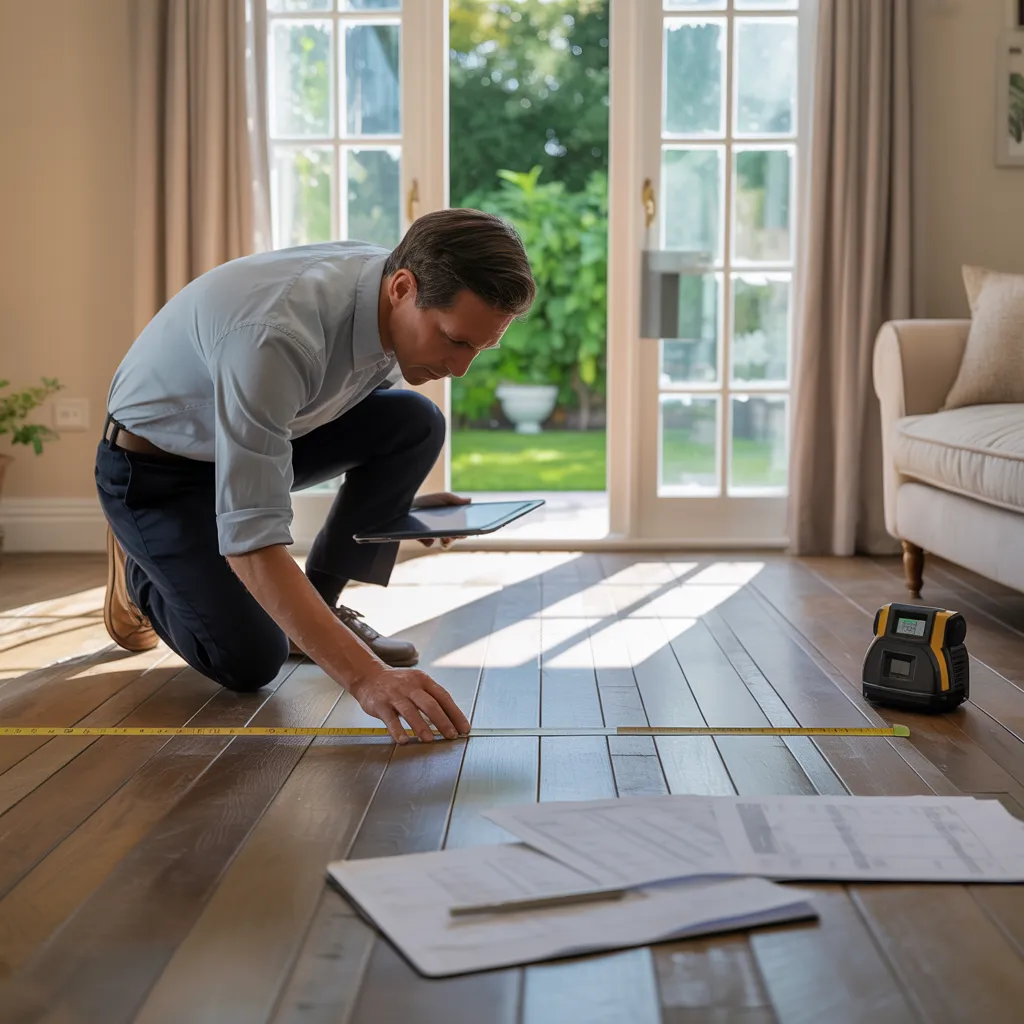
Comprehending Home Appraisals: Meaning and Significance
A home appraisal acts as an important assessment in the property transaction process, delivering an impartial valuation of a home's market worth. This evaluation is typically performed by a certified appraiser who inspects the property, analyzes comparable sales, and considers the neighborhood real estate conditions. The property valuation report serves a vital function in numerous dealings, including buying, selling, and refinancing properties. It guarantees that buyers, sellers, and lenders have a clear understanding of the home's value, serving to eliminate overpayment or under-lending. Furthermore, appraisals can also impact property taxation and coverage needs. By determining a fair market value, appraisals contribute to a open and well-functioning housing market. At the end of the day, recognizing the value of property appraisals is essential for property owners and investors, as it provides a basis for well-informed choices in real estate transactions.
Factors Appraisers Consider in Home Appraisals
During home appraisals, several key factors influence the overall assessment. The property's location plays a vital role, as it influences buyer interest and ease of access. Moreover, the overall state of the property is carefully evaluated to establish its market worth and identify necessary improvements.
The Importance of Property Location
The location of a property acts as a key factor in home appraisals, influencing overall value and buyer interest. Appraisers assess numerous elements of the area, including closeness to conveniences like schools, retail centers, and recreational areas. Neighborhood safety, access to public transportation, and local employment opportunities also play important roles in assessing a home's overall value. Furthermore, the general visual appeal of the neighborhood, including greenery and structural design, can influence buyer sentiment and interest. Appraisers often conduct a comparative analysis of similar homes in the vicinity, considering recent sales and current market trends. At the end of the day, the appeal of the location can considerably increase or decrease a property's market value, rendering it a crucial consideration in the appraisal process.
Home State Evaluation
A property's condition significantly influences the appraisal process, as it indicates the home's general quality and level of maintenance. Appraisers examine both the inside and outside aspects of the home, including structural integrity, roofing, plumbing, and electrical systems. They also consider the state of appliances and fixtures, as well as any necessary repairs. Landscaping and curb appeal are factors in determining general desirability. Furthermore, the existence of any hazards, such as mold or pests, can negatively affect the overall appraisal value. The appraiser may also consider the age of the property, as older properties may need additional upkeep. In the end, a well-maintained home usually achieves a higher appraisal value, while neglect can significantly reduce it.
How to Prepare Your Home for an Appraisal
A successful home appraisal copyrights on careful preparation. Property owners are advised to start by decluttering and deep cleaning their property, establishing a welcoming environment that showcases its finest qualities. Making certain that all outstanding repairs are finished—such as fixing leaky faucets or patching holes in walls—can have a substantial effect on how the appraiser evaluates the home's value.
Additionally, attending to the exterior by caring for the lawn, pruning shrubs, and sweeping walkways improves the property's curb appeal. Home sellers should also gather pertinent documents, including previous appraisal reports, tax documentation, and information about recent remodeling work, to offer background information to the appraiser.
Ultimately, creating a comfortable environment is essential; homeowners need to ensure the property remains accessible and all pets are properly secured throughout the appraisal process. By taking these actions, homeowners can significantly boost their potential for obtaining a successful appraisal assessment.
Home Appraisal Myths You Should Stop Believing
Numerous myths are associated with the home appraisal process, commonly resulting in uncertainty and unrealistic expectations. One widely held belief is that appraisers take into account the homeowner's opinions or emotions regarding property value. In fact, appraisers adhere to objective criteria and market data. An additional myth is that a greater selling price guarantees a higher appraisal. This assumption is incorrect, as appraisals are based on relevant market comparables and existing conditions, not the listing price. Moreover, some assume that home improvements always increase value; however, not all upgrades produce measurable value gains. Finally, many believe that appraisals are solely for buyers, but they are equally important for sellers, lenders, and investors in identifying true market value. Recognizing these common misunderstandings can enable homeowners engage with the appraisal procedure with grounded expectations and greater knowledge.
What Can You Expect During a Home Appraisal?
Throughout a property appraisal, the licensed appraiser serves a critical function in assessing the value of the property. Multiple critical elements, including the home's overall condition and regional market conditions, are thoroughly examined. The procedure commonly involves established guidelines to guarantee an precise evaluation.
Appraiser's Role Explained
Real estate appraisers serve a critical role in establishing a property's fair market value, utilizing a structured approach to assess numerous aspects. Their process begins by inspecting the property, noting its condition, size, and distinctive characteristics. They carefully assess the immediate surroundings, factoring in community features and regional market conditions. They collect information from comparable properties to create a baseline for property valuation. Appraisers also assess any improvements made to the home, ensuring that they accurately reflect in the overall value. Throughout the process, their goal is to provide an unbiased and objective assessment. Upon finishing their evaluation, appraisers compile their findings into a comprehensive report, which functions as a key document for sellers, buyers, and financial institutions during real estate transactions.
Critical Factors Examined
Even though every appraisal can differ somewhat, several key factors are consistently evaluated to calculate the value of a property. Initially, the appraiser reviews the home's location, including neighborhood characteristics and proximity to amenities. Next, the property's dimensions and state are examined, focusing on floor space, building integrity, and repairs that may be needed. The quantity of bedrooms and bathrooms also holds notable importance. In addition, recent sales of similar properties nearby, or \"comps,\" are reviewed, offering insight into the property's market standing. Lastly, the appraiser considers any unique features or upgrades, such as upgrades or environmentally efficient installations, which may increase the home's desirability. These factors collectively contribute to a thorough valuation, helping buyers, sellers, and lenders make informed decisions.
Typical Appraisal Process Steps
The appraisal process advances through a set of structured steps that secure an accurate valuation of the property. Initially, the appraiser gathers relevant information, encompassing the property's address and ownership information. Following this, a physical inspection is performed, in which the appraiser examines both the interior and exterior, recording condition, size, and notable features. Subsequently, the appraiser examines comparable properties, analyzing recent sales in the area to determine market value. Once all data is gathered, they employ suitable valuation methods, like the cost approach or the sales comparison approach. In conclusion, a detailed report is prepared, presenting findings and confirming a final appraisal value. This methodical approach ensures a dependable and consistent property valuation.
What to Do Next After Your Home Appraisal Results
Getting the results of a home appraisal can evoke a mix of emotions, from relief to anxiety. Once the results are in, homeowners should begin by taking the time to review the appraisal report carefully, noting the appraiser's comments and conclusions. If the appraisal aligns with or surpasses what was expected, they can confidently proceed with their plans, whether putting the home on the market or refinancing.
If the appraisal comes in below expectations, homeowners have various choices available to them. They can consult with their real estate agent or lender about the results to explore potential next steps, such as appealing the appraisal or providing additional information to support a higher value. It may also be beneficial to gather comparable sales data to strengthen their case.
Ultimately, understanding the implications of the appraisal results is vital. Homeowners are encouraged to stay diligent, whether continuing with their objectives or tackling any disparities that might influence their financial outcomes.
Questions We Often Receive
What Is the Typical Duration of a Home Appraisal?
A home appraisal usually takes 30 minutes to two hours on average. Factors such as the size, complexity, and location of the property can influence the duration of the process, with additional time needed for report preparation afterward.
Can I Be Present During the Appraisal?
Yes, homeowners are usually permitted to remain present during the home appraisal. However, it's advisable to keep a low profile, enabling the home appraiser to carry out a detailed inspection free from distractions or disruptions that might affect their assessment.
What Happens if My Home Appraises for Less Than Expected?
Should a home appraisal fall short of expectations, the seller may be required to negotiate directly with the buyer, look into reducing the asking price, or address financing challenges, possibly causing a delay in the sale or necessitating additional financial resources.
Are Appraisers Licensed or Certified Professionals?
Appraisers are typically certified or licensed experts, adhering to state regulations and standards. Their credentials ensure they have the required expertise and capabilities to assess properties with precision and objectivity, maintaining integrity within the real estate market.
How Often Should I Get My Home Appraised?
Homeowners should consider getting their home assessed every three-to-five-year cycle, especially after significant renovations, changes in market conditions, or if getting ready to put the home on the market. Regular appraisals help maintain an reliable picture of a home's value.